Daily Dose of Inspiration · 2026-10-30
Rebuilding from Within: Healing the Nervous System After Stress and Trauma
There are seasons in life that leave invisible imprints—moments of stress, prolonged pressure, or deep trauma that don’t simply fade when the situation ends. For many women, the aftermath shows up quietly: fatigue that doesn’t go away, anxiety without a clear cause, difficulty sleeping, or feeling emotionally overwhelmed by even small things.
What’s often misunderstood is this: your body remembers what your mind is trying to move past. At the center of this experience is your nervous system.
Understanding the Nervous System’s Response
The nervous system is your body’s command center. It constantly scans for safety or danger. When you experience stress or trauma, your body shifts into survival mode—commonly known as fight, flight, or freeze.
While this response is designed to protect you, prolonged exposure to stress can keep your nervous system “stuck” in this heightened state. Over time, this can lead to:
- •Chronic anxiety or irritability
- •Hormonal imbalances
- •Digestive issues
- •Brain fog or memory struggles
- •Emotional numbness or overwhelm
For women especially, these effects can be intensified by the demands of caregiving, work, and emotional labor. The result? A body that is constantly alert, even when life has calmed down.
But here’s the good news: the nervous system can be healed.
The Journey of Rebuilding: A Gentle Return to Safety
Healing isn’t about “snapping back” to who you were before. It’s about becoming more whole, more aware, and more supported than before.
Rebuilding your nervous system begins with one core truth: your body needs to feel safe again.
1. Regulate Before You React
When your body is overwhelmed, logic alone won’t calm it. You must first regulate your physical state.
Try:
- •Slow, deep breathing (inhale for 4, exhale for 6)
- •Placing a hand over your heart to ground yourself
- •Stepping outside for fresh air
These small acts send a signal to your nervous system: You are safe.
2. Honor Rest as Restoration, Not Weakness
Many women have been conditioned to push through exhaustion. But healing requires rest—not just sleep, but intentional stillness.
- •Take breaks without guilt
- •Create quiet moments in your day
- •Allow your body to slow down
Rest is not laziness—it is repair.
3. Reconnect with Your Body
Trauma can disconnect you from your physical self. Gentle movement can help you rebuild that connection.
Consider:
- •Walking in nature
- •Stretching or yoga
- •Soft, rhythmic movements
The goal isn’t intensity—it’s awareness and presence.
4. Nourish Your Body to Support Healing
Your nervous system depends on proper nutrition.
Focus on:
- •Whole foods rich in nutrients
- •Staying hydrated
- •Reducing excessive caffeine and sugar
What you consume directly affects how your body responds to stress.
5. Create Safe Emotional Spaces
Healing is not meant to be done alone.
- •Talk to someone you trust
- •Seek therapy or support groups
- •Journal your thoughts and emotions
Your story deserves to be expressed, not suppressed.
Spiritual Encouragement: God Meets You in the Healing
For many women, healing is not just physical—it’s deeply spiritual. In moments when your body feels fragile and your mind feels tired, God offers a different kind of rest.
“Come to me, all you who are weary and burdened, and I will give you rest.”
Matthew 11:28
This is not just an invitation—it’s a promise.
When your nervous system is overwhelmed, you don’t have to carry it alone. God’s presence brings peace that goes beyond understanding.
“He restores my soul.”
Psalm 23:3
Restoration is not rushed. It is gentle, intentional, and deeply personal.
“Be still, and know that I am God.”
Psalm 46:10
Stillness is where healing begins—both physically and spiritually.
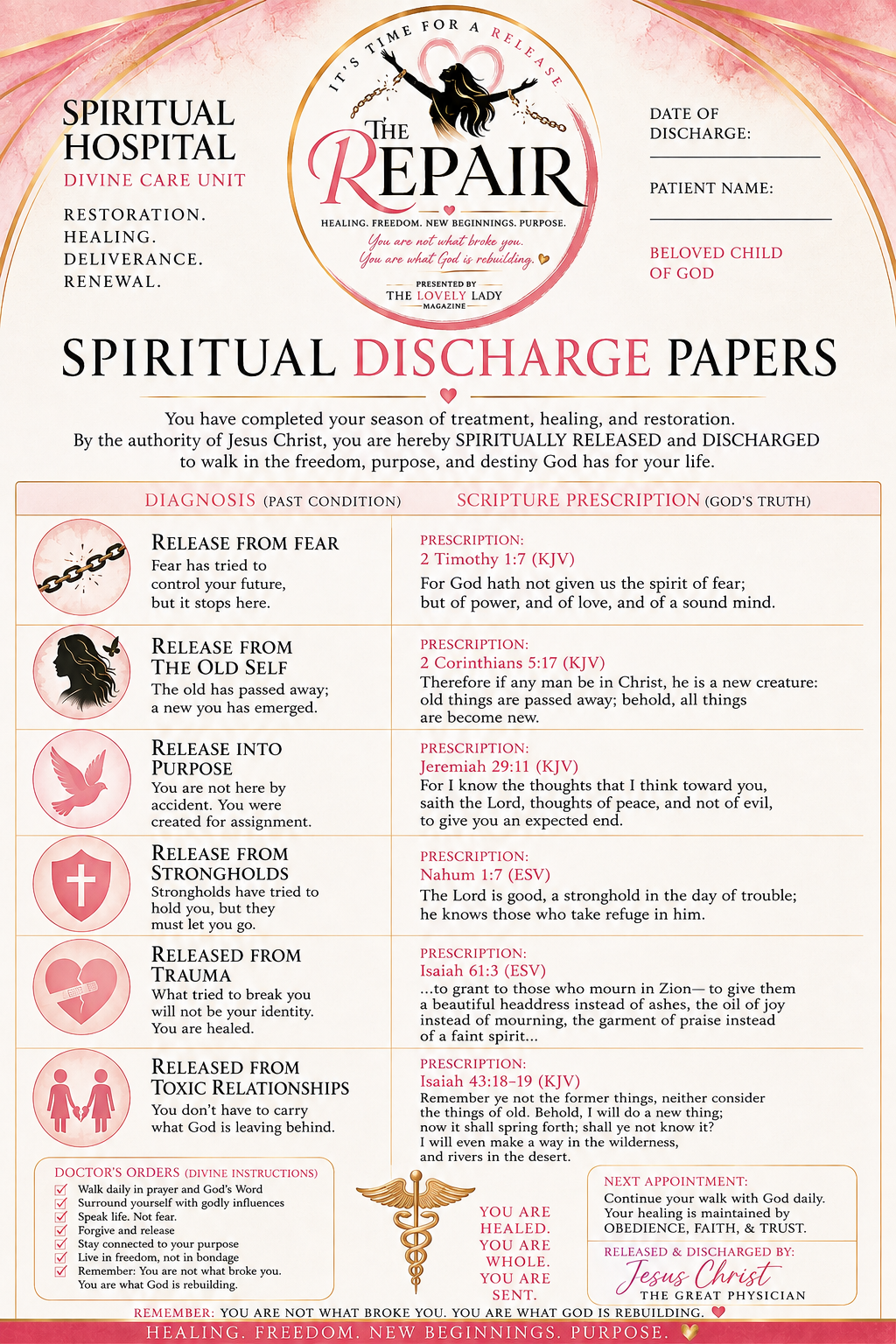
A Final Word: You Are Not Broken
If you are navigating the effects of stress or trauma, hear this clearly:
- You are not too much.
- You are not falling apart.
- You are responding exactly as a human body does under pressure.
Healing is not about fixing yourself—it’s about supporting yourself with compassion, patience, and truth.
As you rebuild, remember:
- •Progress may feel slow, but it is still progress
- •Your body is working for you, not against you
- •You are worthy of peace, rest, and wholeness
And most importantly—you are not alone in this journey.